
Tungsten Carbide Die Manufacturing
We manufacture drawing and extrusion dies to confirmed drawings and technical requirements.
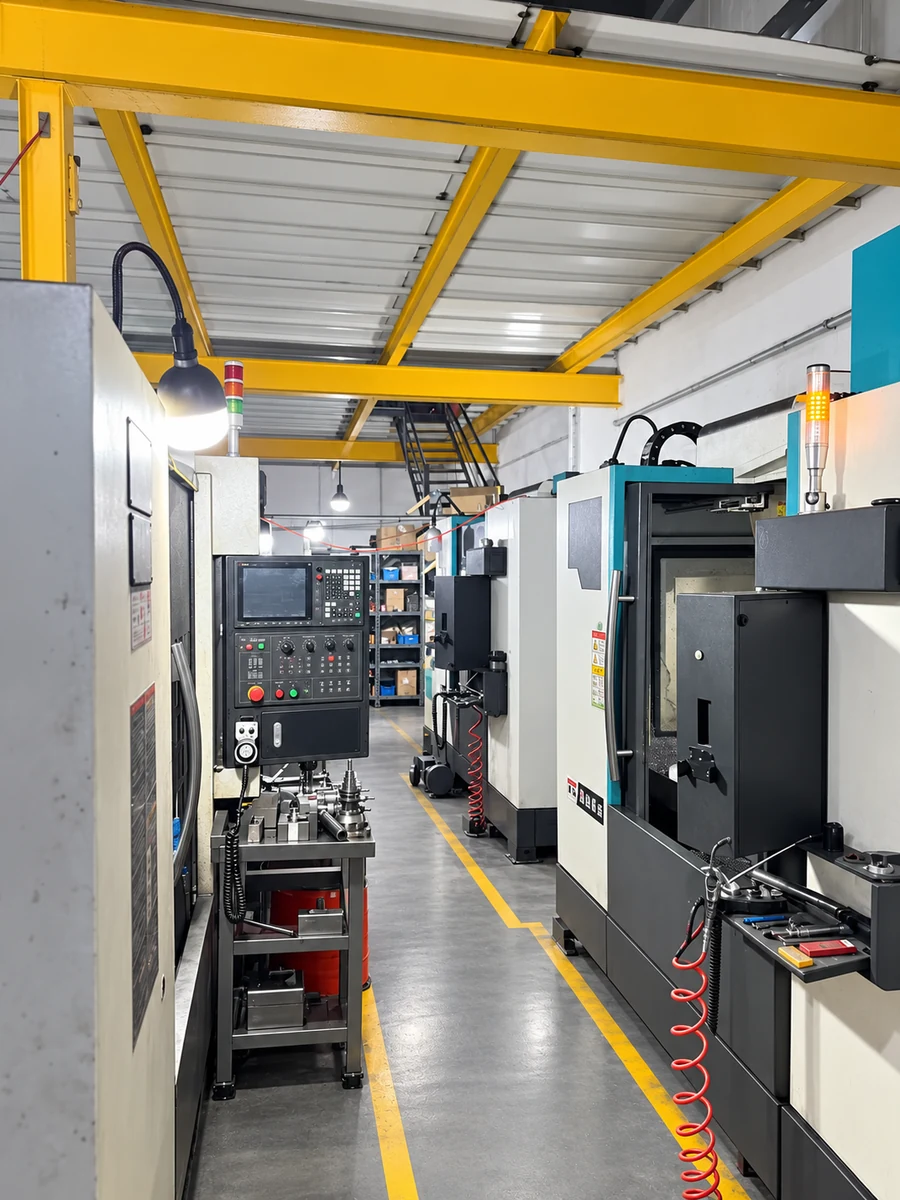
- ManufacturingProcesses reviewed for each project.
- YG6 / YG8 MaterialsSelected for the application and working conditions.
- Dimensional InspectionChecks against confirmed specifications.
Equipment for the Work
Manufacturing and inspection equipment for custom dies.
| Equipment | Quantity |
|---|---|
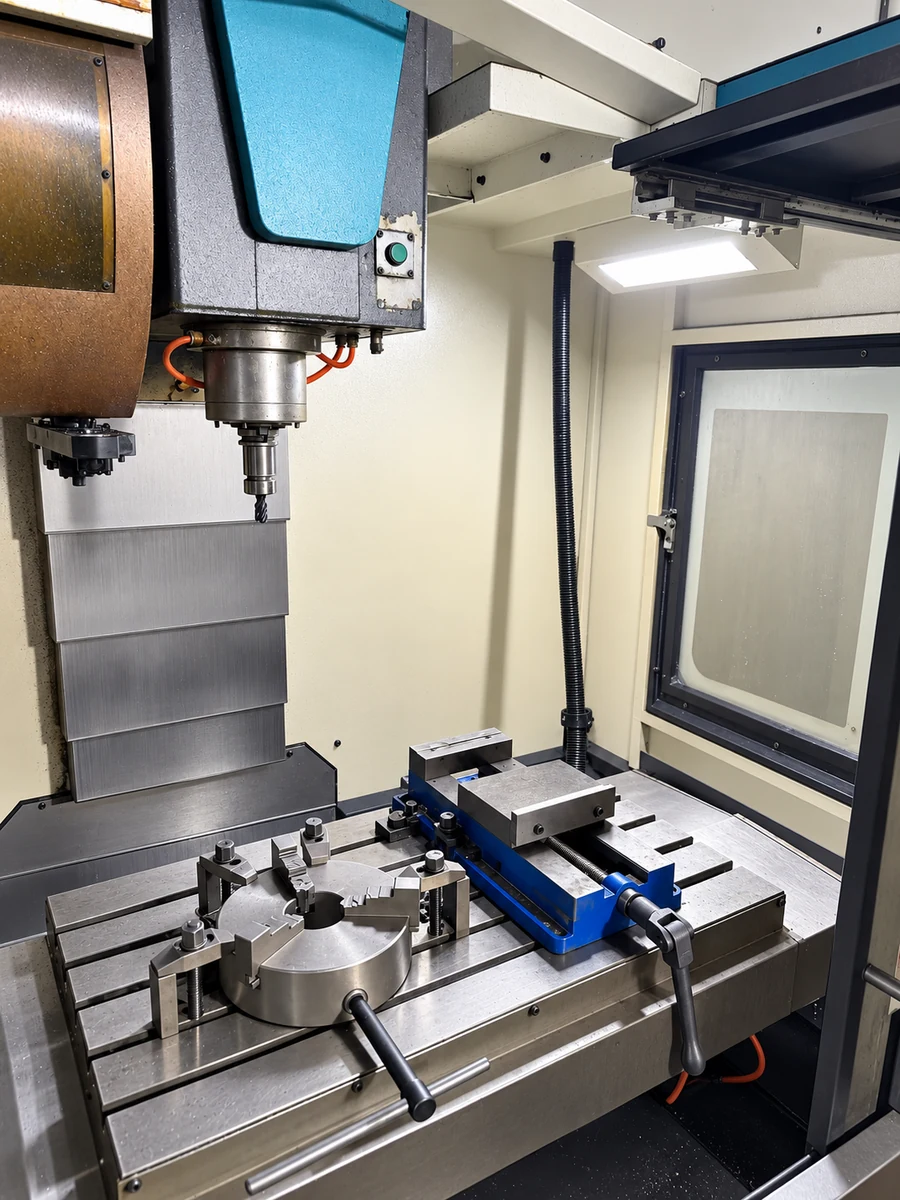
| Machining Center | 5 |
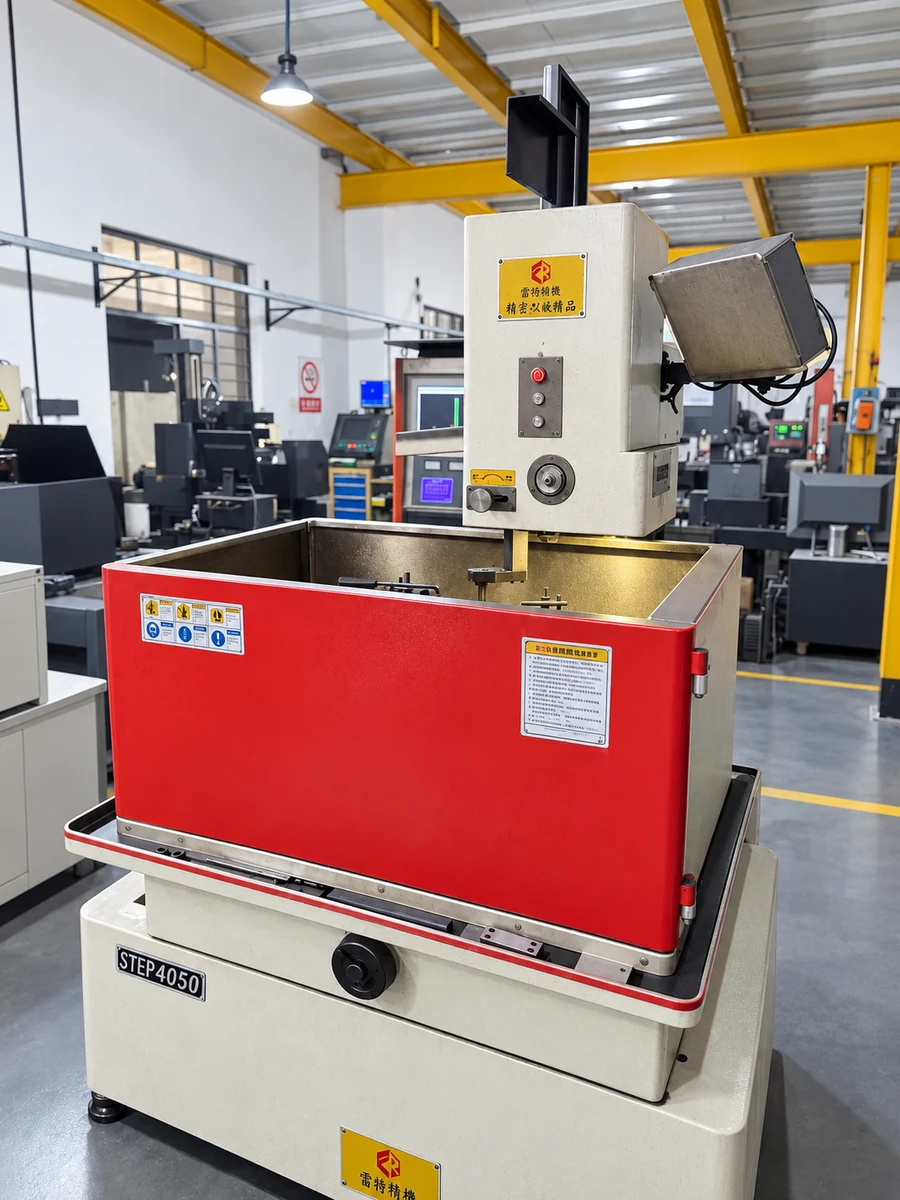
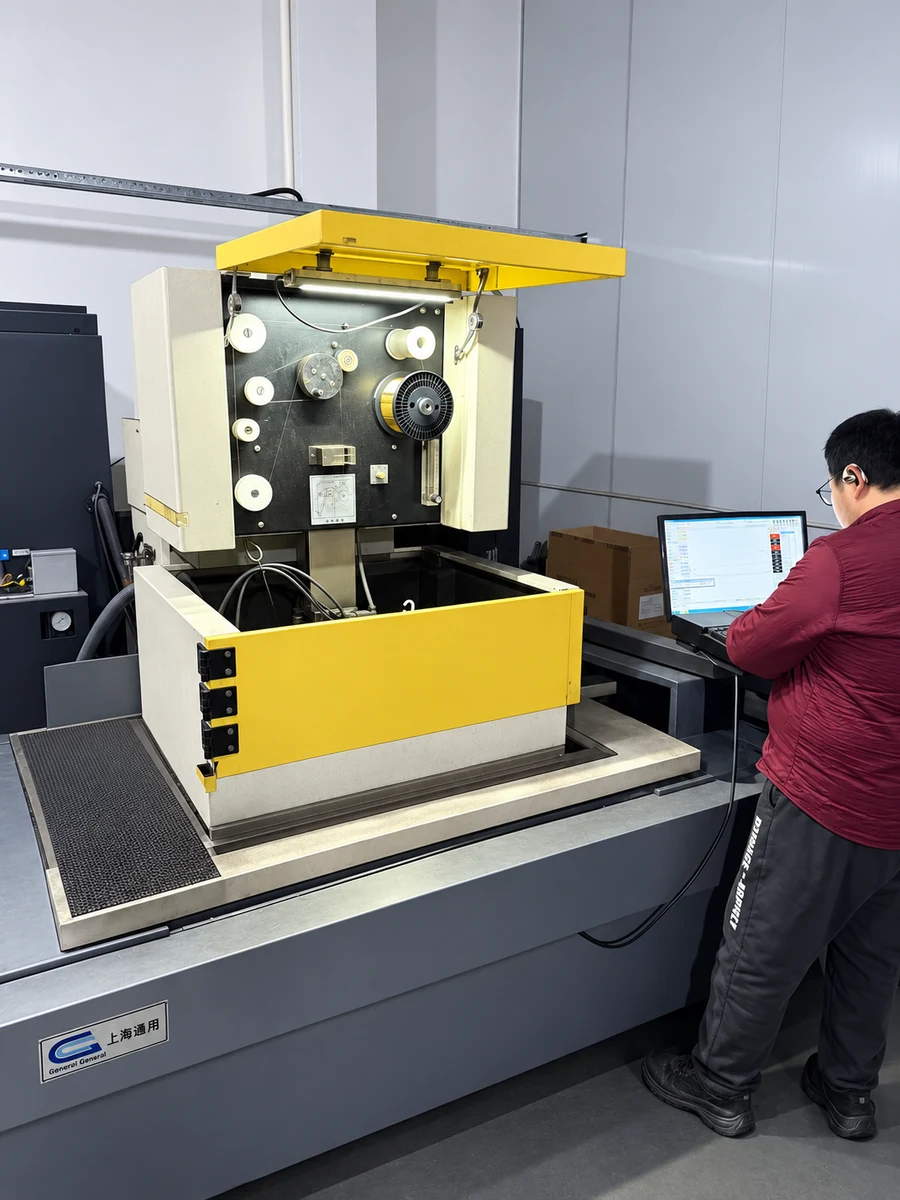
| Fast Wire EDM Equipment | More than 30 |
| Optical Profile Projector | 1 |
| Hardness Tester | 1 |
View complete equipment list
| Equipment | Quantity |
|---|---|
| Band Saw | 3 |
| Circular Saw | 1 |
| EDM Equipment (Cavity Holes) | 2 |
| EDM Equipment (Hole Drilling) | 2 |
| Machining Center | 5 |
| Lathe | 2 |
| Surface Grinder | 1 |
| Fast Wire EDM Equipment | More than 30 |
| Medium-Speed Wire EDM Equipment | 2 |
| Wire EDM Equipment (Japanese) | 2 |
| Submerged Wire EDM Equipment (Chinese) | 1 |
| Flow Polishing Equipment | 2 |
| Optical Profile Projector | 1 |
| Hardness Tester | 1 |
| Laser Marking Machine | 1 |
Technical scope and manufacturing details
We manufacture tungsten carbide drawing and extrusion dies to confirmed drawings and technical requirements. We use YG6 and YG8 tungsten carbide, with material selection reviewed according to the application. Our equipment overview presents our manufacturing and inspection equipment. The applicable process, dimensions, and tolerances are evaluated against the material, component, and project requirements.
Manufacturing
Drawing and extrusion dies manufactured to confirmed drawings and technical requirements. Applicable processes are reviewed for each project.
Equipment
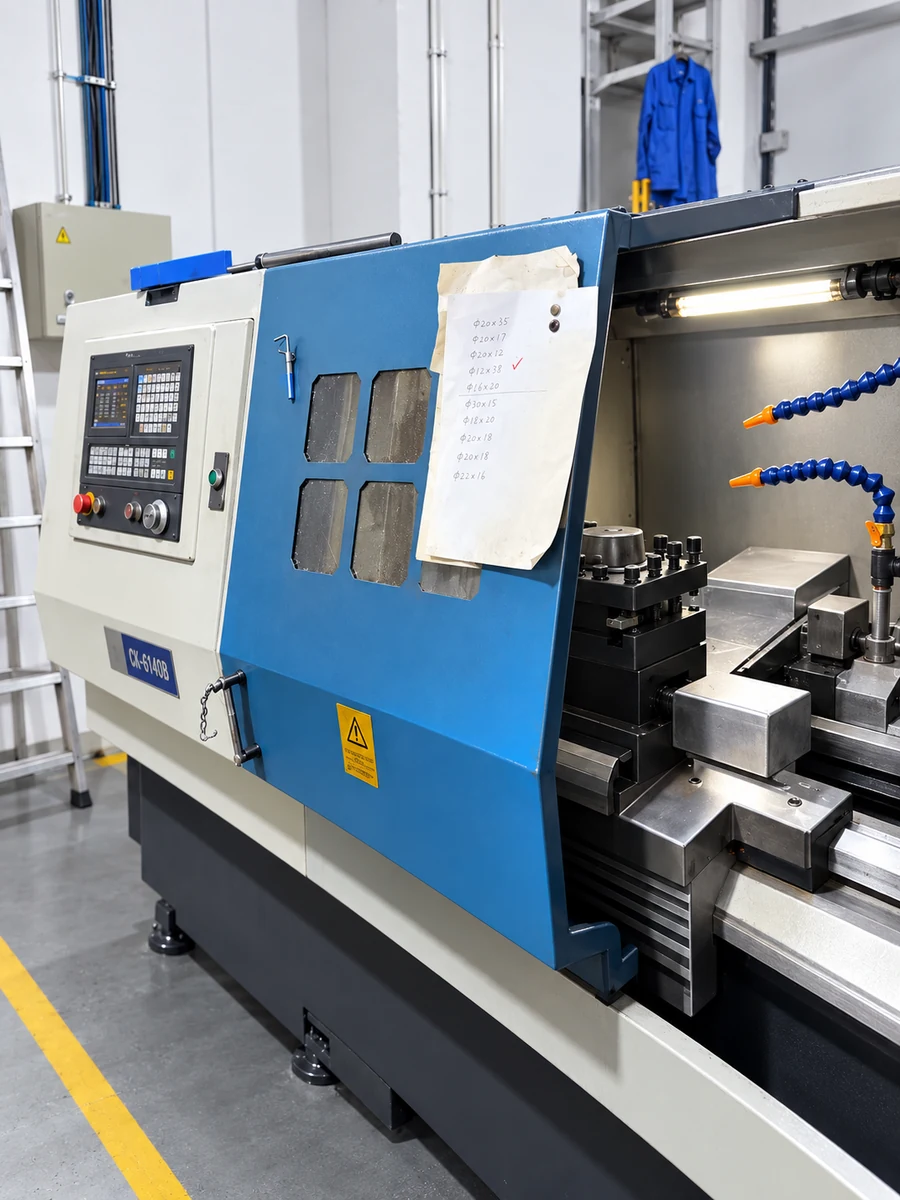
Our manufacturing and inspection equipment includes cutting, EDM, machining, grinding, polishing, and measuring equipment. Process suitability is evaluated against the material, component, and project requirements.
Materials
YG6 and YG8 tungsten carbide, with material selection reviewed according to the application and working conditions.
Inspection
Dimensional checks against confirmed drawings and technical specifications during manufacturing and before shipment. Inspection equipment includes an optical profile projector and a hardness tester.
Factory & equipment
From Requirements to Inspection
Review drawings
Confirm drawings and technical requirements.
Confirm materials and process
Select materials and review applicable processes.
Inspect agreed dimensions
Check against confirmed specifications.